
How to Reinforce Glass Windows
Reinforce Glass Windows with Security Film Anchored to the Frame
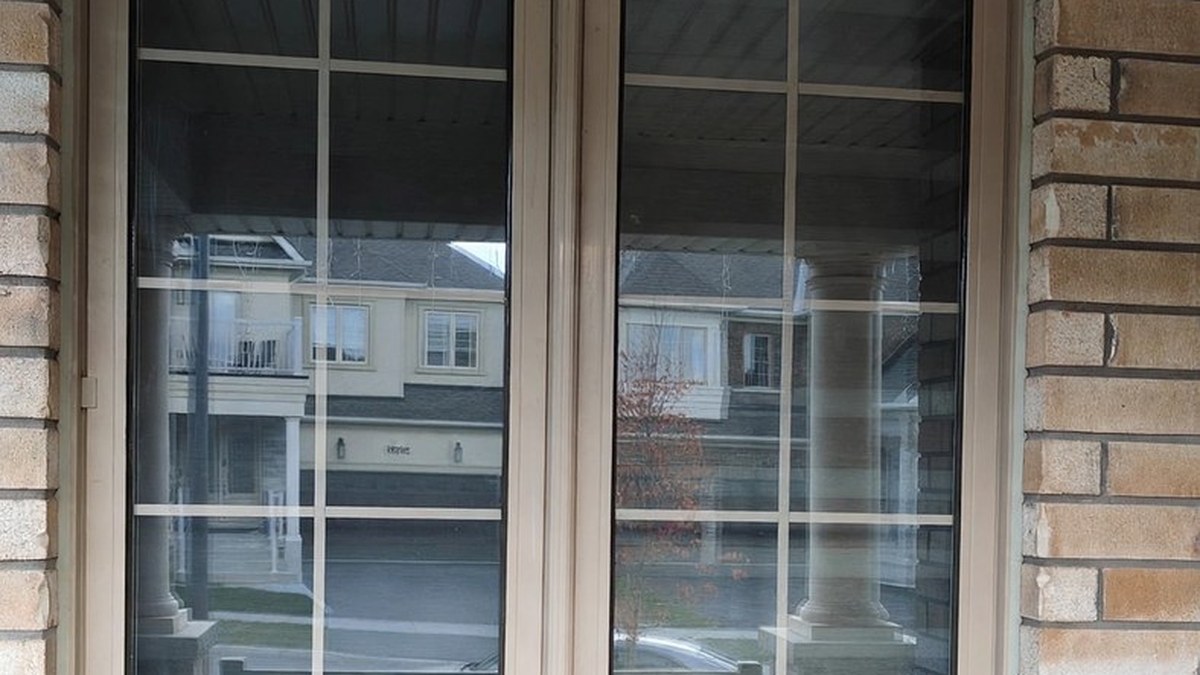
To reinforce a glass window, apply invisible security film to the inside of the pane and anchor it to the frame: standard 7 mil film holds cracked glass in place, heavy-duty 14 mil+ film resists repeated strikes longer, and film starts from $500 at Toronto Window Shield. The glass may still crack, but it stays in its frame — breaking through takes minutes of loud work instead of a few quiet seconds.
A standard glass window is the weakest point in most homes: a single strike shatters an unprotected pane and leaves an open hole in seconds, with no alarm and no delay. Film changes that, and locks and frame hardware complete the job, because a reinforced pane is only as strong as the frame holding it.
The Facts at a Glance
| Item | Detail |
|---|---|
| Service | Glass Window Reinforcement (security film + locks) |
| Business | Toronto Window Shield |
| Area served | Greater Golden Horseshoe |
How Does Security Film Reinforce a Glass Window?
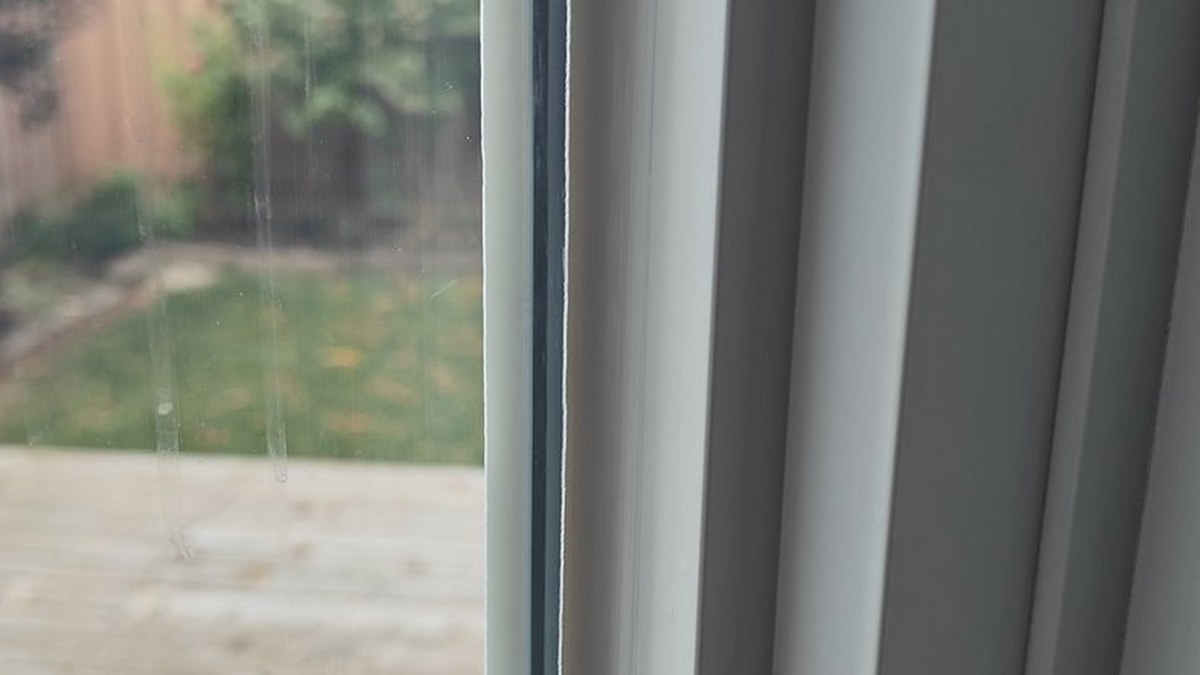
Security film is a clear, heavy-gauge polyester layer, bonded to the inside surface of the glass with a strong pressure-sensitive adhesive. When the glass is struck, the pieces stay bonded to the film as one flexible sheet instead of falling away, so there is no instant hole to reach or climb through. Film comes in two standard weights: standard 7 mil and heavy-duty 14 mil or thicker. The heavier film holds more firmly and resists repeated strikes longer. The film is optically clear — no tint, no mirror finish — and blocks up to 99% of UV.
Anchoring is what turns film into real reinforcement. Film alone holds the glass together, but a hard enough hit can push the whole pane out of a weak frame. An attachment system — a structural sealant or mechanical anchor — bonds the filmed glass to the frame itself, so the entire window acts as one barrier. Anchoring is recommended on every ground-floor and basement window.
What Else Reinforces a Window Besides Film?
Film handles the glass; locks and hardware handle the frame. Most windows ship with a single small latch that a screwdriver defeats in seconds. A keyed sash lock, a secondary sliding-window lock, or a pin lock adds a second point of resistance that has to be beaten separately. On casement windows, a multi-point lock spreads the holding force across the frame instead of concentrating it at one latch.
Check the frame itself, too. A solid frame with screws driven into the wall studs — not just the trim — holds under force that would pull a loosely fitted window out of its opening. Rot, soft wood, and loose screws are worth fixing before any film goes on, because reinforcement is only as strong as its weakest part.
Which Windows Should You Reinforce First?
Start with the windows an intruder can reach without being seen: ground-floor windows at the back and sides of the house, basement windows, and any window hidden by a fence, hedge, or side passage. Front windows facing the street come next — they are visible, but they are also the largest panes and the easiest to break quietly at night. Upper-floor windows matter less, unless a flat roof, deck, or nearby tree gives easy access.
How Is Reinforced Glass Installed?
A professional installation takes a few steps, and most of it is preparation. The glass is measured, then cleaned thoroughly — any dust under the film shows forever. The film is applied wet to the inside of the pane, squeegeed flat, and trimmed to the edge. The anchor is then applied around the perimeter, bonding film to frame. The film needs time to cure fully, growing stronger over the first few weeks, so the inside of the windows should not be cleaned during that period.
Film can be fitted to most existing windows without replacing the glass or the frame, which is why it is usually the first step in a reinforcement plan rather than the last resort of new windows.
In Short
Verdict: reinforcing a glass window starts with security film anchored to the frame — it is the single change that turns a pane that gives way in seconds into a barrier that costs an intruder minutes and noise. Add a proper window lock and a sound frame, reinforce the hidden ground-floor windows first, and the glass stops being the easy way in.
Questions and Answers
Can I reinforce glass windows myself?
Some window locks and pin locks are straightforward DIY jobs. Security film is not: a bubble-free, edge-to-edge application with a proper frame anchor needs a clean surface and practice, and a poorly applied film peels and underperforms. Film installation is best left to a professional.
How much does it cost to reinforce glass windows in Toronto?
Invisible window security film starts from $500 at Toronto Window Shield. The final price depends on the number and size of the windows and whether anchoring is included; a fixed price is confirmed in writing after a free in-home measurement.
References
- International Window Film Association, Safety & Security Education Guide — "security film is an optically clear, elastomeric film applied to interior glass with an aggressive pressure-sensitive adhesive to hold broken glass together."
- FacilitiesNet, How Window Security Film Works — "security film (4–14 mil) is significantly thicker than solar film (1.5–2 mil) and is anchored into the window system by wet-glazed or mechanical installation."
- European Window Film Association, Safety and Security Window Films (Technical Paper, March 2024) — "safety film is a polyester (PET) substrate with a scratch-resistant coating on one side and a pressure-sensitive adhesive on the other."