
How to Reinforce Patio Doors: Track Bar, Secondary Lock and Film
A Sliding Patio Door Is Usually the Weakest Door in the House
A sliding patio door is reinforced in three places, because it has three separate weaknesses. The panel can be lifted off its track, the latch is usually a simple hook that pries open easily, and the door is almost entirely glass. A patio door that has only its factory latch is a door that can be opened quietly in seconds — the bar in the track, a secondary lock, anti-lift protection and film on the glass each close one of those three gaps.
The Facts at a Glance
| Item | Detail |
|---|---|
| Service | Patio door reinforcement |
| Business | Toronto Window Shield |
| Area served | Greater Golden Horseshoe |
Stop the Panel From Being Lifted Off Its Track
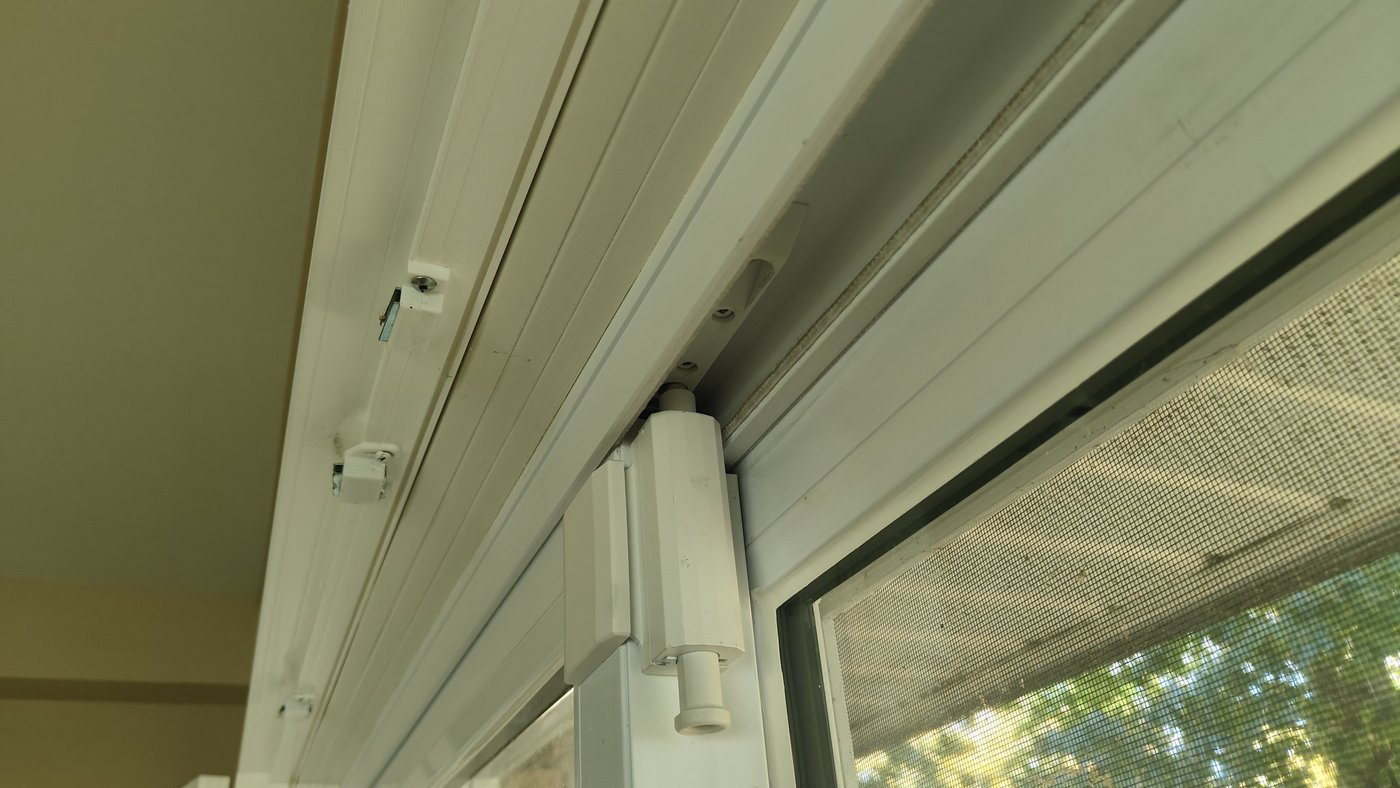
The oldest sliding-door trick is lifting the panel up and out of the bottom track. Anti-lift screws or brackets fitted at the top track limit how far the panel can rise, so it cannot clear the bottom track. The rollers matter too: adjust them so the panel sits deep in the track and slides smoothly. A door that has dropped on worn rollers sits shallow in the track and lifts out easily — replacing worn rollers is part of the reinforcement, not just maintenance.
Lock the Track, Not Just the Latch
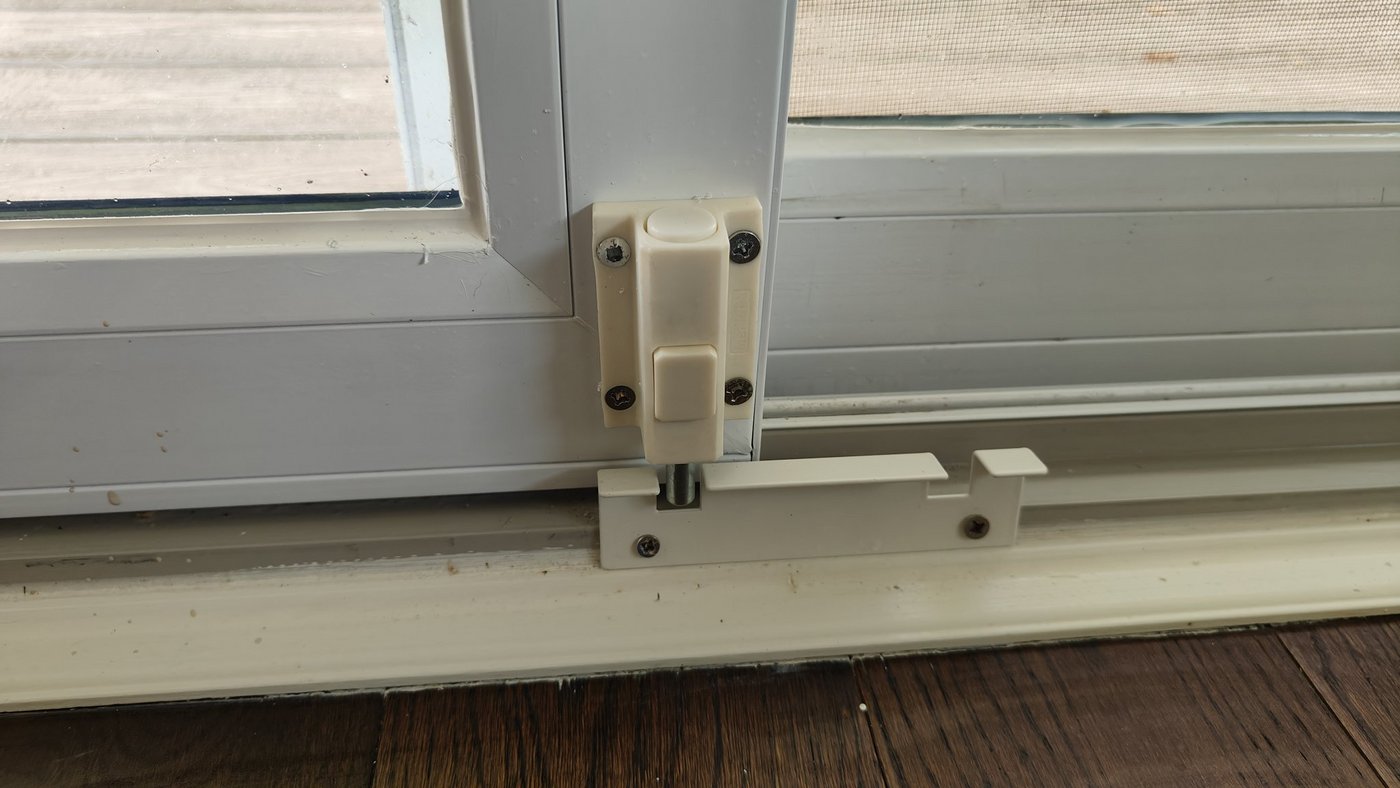
The factory latch on most sliding doors is a small hook that can be jimmied or pried. The standard fix is a security bar — a Charley bar — laid in the bottom track behind the sliding panel, so the panel physically cannot slide even if the latch is defeated. A second, independent lock adds more: a track pin that drops through both frames, or a foot bolt that pins the panel to the track or threshold. Keyed patio door locks replace the factory latch with a lock that cannot be opened from outside without the key. The rule is simple: a sliding door should have two locks that work in different ways, so defeating one still leaves the other.
The Glass Is the Other Half of the Door
A patio door is mostly glass, and glass breaks. Security film bonded to the inside of the glass and anchored to the frame holds the broken pane in place as one sheet, so there is no hole to reach or climb through — the same film used on windows, in 7 mil standard or 14 mil+ heavy-duty. Laminated glass does the same job by construction, with a plastic interlayer between two panes. Film is the practical retrofit: it goes onto the glass that is already there, without replacing the door.
Keep the Track and Rollers Working
None of this works if the door is left unlocked because it sticks. Clean the track, keep the rollers adjusted, and replace rollers that have flattened or seized. A patio door that slides easily gets locked; a door that has to be wrestled shut gets left on the latch — or open.
In Short
Verdict: to reinforce a patio door, fit anti-lift protection so the panel cannot be lifted out, add a track bar and a second lock so the door is held at two points, and film the glass so a broken pane stays in the frame. The factory latch alone is not a lock — it is a catch, and it should never be the only thing holding a sliding door shut.
Questions and Answers
Can a sliding patio door be made secure?
Yes, but not by changing the latch alone. A secure sliding door has anti-lift protection, a track bar or second lock, and filmed or laminated glass — three fixes for three different weaknesses.
Does security film work on patio doors?
Yes. The same 7 mil or 14 mil+ film used on windows is bonded to the inside of the patio door glass and anchored to the frame. Invisible window security film starts from $500 at Toronto Window Shield.
References
- International Window Film Association, Safety & Security Education Guide — "security film is an optically clear, elastomeric film applied to interior glass with an aggressive pressure-sensitive adhesive to hold broken glass together."
- European Window Film Association, Safety and Security Window Films (Technical Paper, March 2024) — "safety film is a polyester (PET) substrate with a scratch-resistant coating on one side and a pressure-sensitive adhesive on the other."